
The Trading Allowance Could Rise from £1,000 to £3,000, What It Means for Freelancers and Side Hustlers
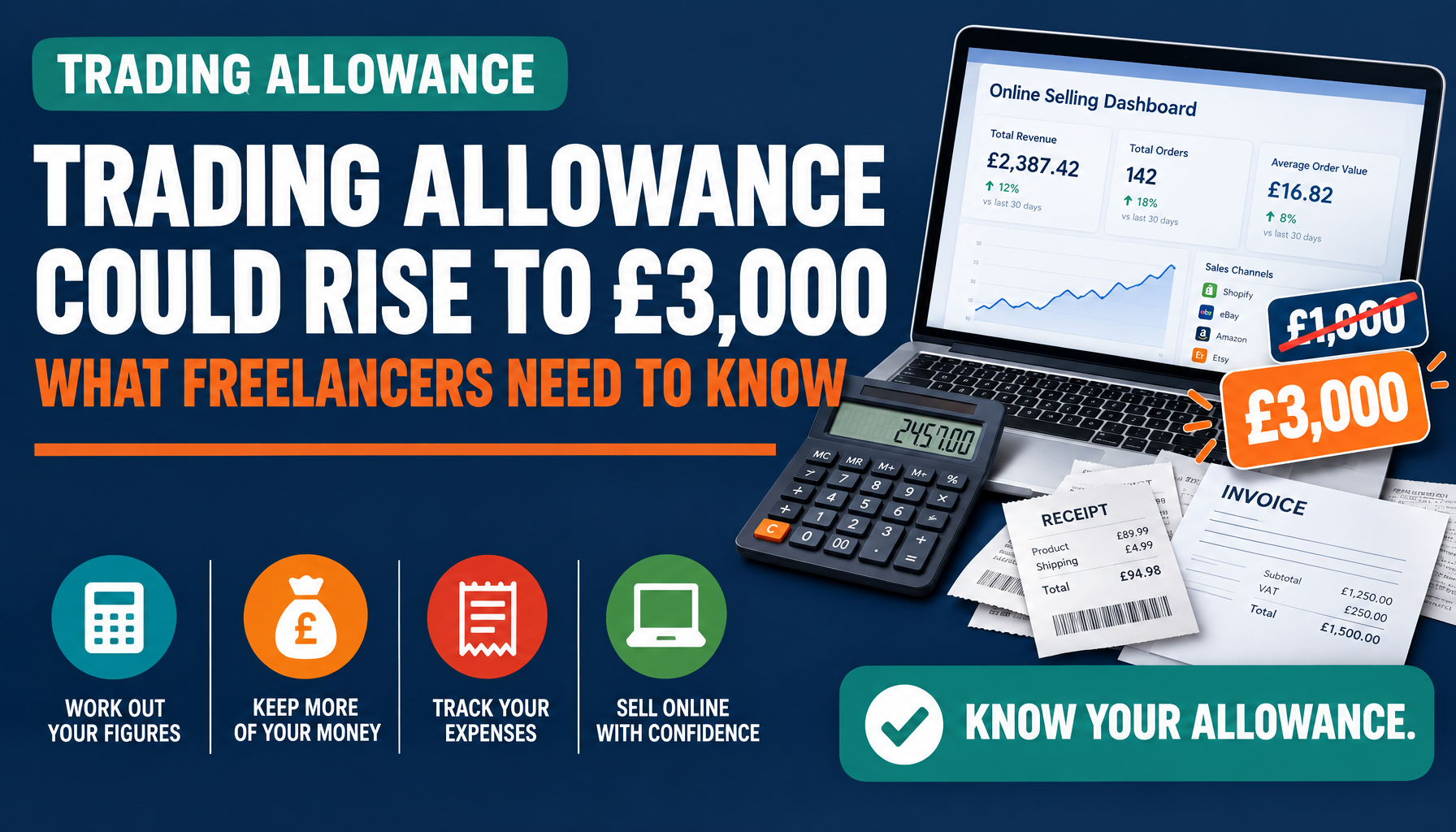
The government has announced a planned increase in the Income Tax Self Assessment trading-income reporting threshold from £1,000 to £3,000 gross. It could remove a tax return for many small side hustles, but it is not a licence to ignore records or tax. All figures and rates in this article are correct as of 18 September 2026.
- The £3,000 threshold is a government proposal and future reform, not a change you can rely on for the current tax year.
- For now, total gross trading income above £1,000 generally still means telling HMRC.
- The threshold would be based on gross income before expenses, not profit.
- One £1,000 trading allowance is shared across all qualifying side hustles.
What has the government proposed?
In March 2025, HM Treasury announced that the ITSA trading-income reporting threshold could increase from £1,000 to £3,000 gross within this Parliament. The announcement said up to 300,000 people, including online sellers, dog walkers, gardeners, taxi drivers and content creators, could eventually be taken out of Self Assessment. A new online reporting service is expected by 2029 for people with income between £1,000 and £3,000.
At 18 September 2026, the change has been announced but the new system is not live. Unless and until the legislation and service take effect, do not treat £3,000 as today's automatic filing threshold.
What does the current £1,000 allowance do?
The trading allowance can cover up to £1,000 of gross trading, casual or miscellaneous income in a tax year. Gross means sales or receipts before platform charges and other expenses. It is one allowance across all your side hustles, not £1,000 per activity. If your total gross income is £1,000 or less, you may not need to register a small trade or file a return, although you must keep records and other reasons for filing can still apply.
Above £1,000, you generally need to tell HMRC. You may claim the £1,000 allowance against income instead of actual expenses, but not both. If your real expenses exceed £1,000, claiming those expenses may produce a better result. Our pricing page explains how we can help compare the options.
What could change for freelancers and side hustlers?
If the proposal becomes law, someone with gross side income of £2,400 might use a simpler online service rather than a full Self Assessment return. That does not necessarily make the income tax-free: the taxable amount may still need to be reported and paid. The proposal is about reporting administration, not a new tax-free allowance or permission to stop keeping accounts.
Freelancers should also remember that PAYE from a main job does not automatically deal with side income. Selling unwanted personal belongings occasionally is different from buying or making goods to sell for profit, and online platform data may be shared with HMRC.
For income in the 2025/26 tax year, a first Self Assessment return is normally due online by 31 January 2027 if required. Keep invoices, platform statements, bank records and receipts now. Missing a current deadline because you expect the proposed £3,000 service could lead to interest and penalties.
What should you do now?
- Add together gross receipts from every side hustle for each tax year.
- Keep expenses separately so you can compare the allowance with actual costs.
- Check GOV.UK guidance before relying on any new threshold, and ask for help if income is close to £1,000 or you have multiple activities.
Good bookkeeping also helps with Universal Credit, student loan calculations and proving when a hobby has become a business. See our accounting services or contact page for support tailored to your situation.
How 360 Accounts Can Help
360 Accounts & Bookkeeping Ltd can help freelancers and side hustlers track gross income, choose sensibly between the trading allowance and actual expenses, register when required and prepare Self Assessment accurately. We will also keep an eye on the proposed reform so you can change your process when the rules are confirmed.
Get straightforward advice from our Guildford team.
Contact us today
Questions & Answers
No. It is a proposed future reporting threshold. For now, work on the basis that gross trading income above £1,000 may require you to tell HMRC.
No. The proposal concerns how trading income is reported. It does not create a new £3,000 tax-free allowance, and tax may still be due on profit.
No. It is a single allowance for your combined qualifying trading, casual and miscellaneous income in the tax year.
The current test is based on gross income before expenses. Platform fees deducted before money reaches your bank still count when working out gross receipts.
Compare both. If genuine allowable expenses are more than £1,000, claiming actual expenses may reduce taxable profit more. You cannot claim both for the same income.
Government guidance says a new online tool is on the way by 2029, but the final timetable and detailed rules should be confirmed before you rely on them.